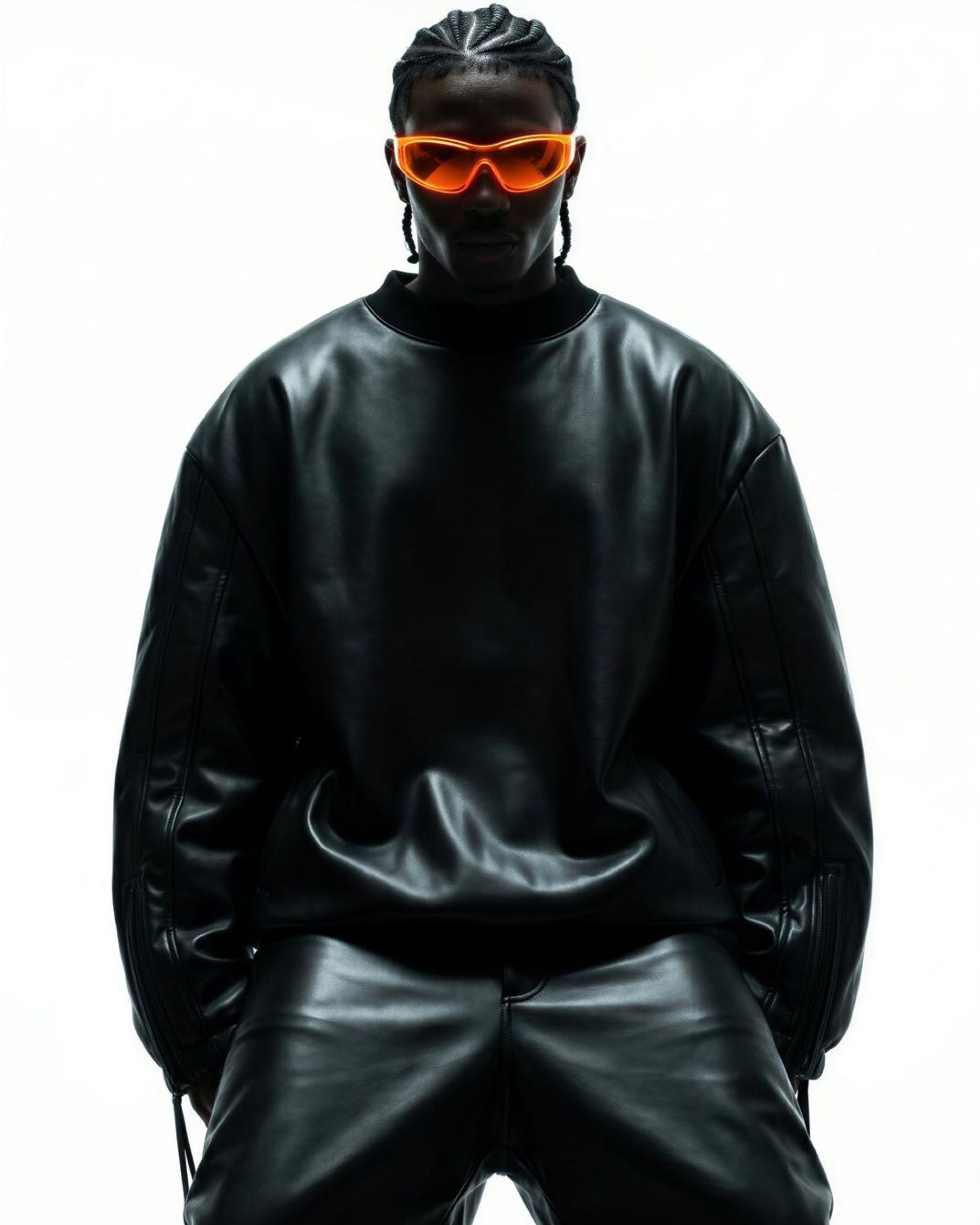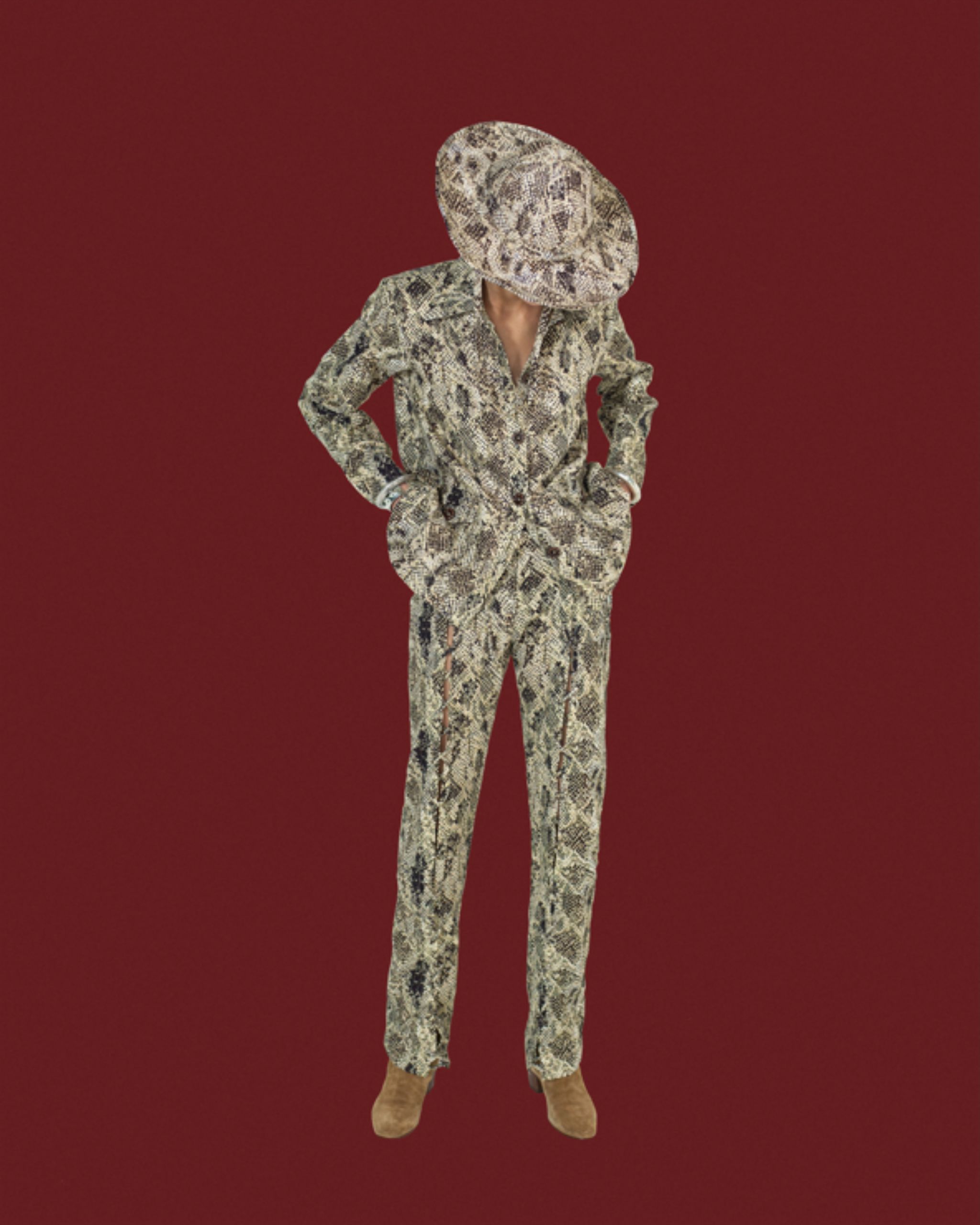


The brand has become known for its genderless silhouettes and utilitarian sensibility, but there’s more beneath the surface: each collection is shaped by a social topic, whether it's systemic injustice, environmental urgency, or the ever-evolving language of queerness. Their garments, often featuring tactical elements, sharp tailoring, and fluid draping, feel both of-the-moment and deeply personal—an open invitation to self-expression, outside of binaries.
What makes PRIVATE POLICY resonate is its authenticity. The brand isn’t chasing trends or making vague gestures toward inclusivity; it’s part of a generation of designers who are actually living the values they reflect in their work. Their commitment to sustainability is matched by their commitment to storytelling, with each piece offering a kind of wearable thesis on where fashion can (and should) go next.
In a landscape increasingly saturated with aesthetics, PRIVATE POLICY offers a point of view
The starting point is the first generation of Chinese laborers who built America’s transcontinental railroads in the nineteenth century. Their bodies and time laid the foundation for the modern American West, yet their contributions have long been excluded from dominant historical narratives. PRIVATE POLICY approaches this history not as something finished, but as a line still in motion, connecting past and present.
Workwear silhouettes anchor the collection. Functional cuts, reinforced seams, and multi-pocket constructions reference garments designed for endurance and survival. These details speak not only to the physical demands of railroad labor, but also to the many forms of labor carried by Asian immigrants and Asian Americans today, including emotional, psychological, and institutional labor that often remains unseen.
Material choices carry strong symbolic weight. Utilitarian workwear structures are reimagined in silk-finished and high-sheen fabrics. This contrast introduces light and visibility where earlier labor was absorbed by dust, sweat, and silence, honoring those whose work went unnamed while asserting a growing public and cultural presence today.
References to the American West appear through earth tones, rusted reds, office blues, and linear silhouettes. Distressed finishes and worn textures function as records of time, use, and survival, allowing traces of labor to remain visible on the body.
By placing nineteenth-century railroad workwear alongside 1980s professional dress, PRIVATE POLICY traces a broader trajectory of Asian labor, from physical infrastructure to emotional, intellectual, and cultural work. What emerges is not the disappearance of labor, but its transformation and increasing visibility.
The tracks continue forward.
And now, we are finally seen.